
Evil and the Justice of God

With every earthquake and war, understanding the nature of evil and our response to it becomes more urgent. Evil is no longer the concern just of ministers and theologians but also of politicians and the media.
Evil and the Justice of God

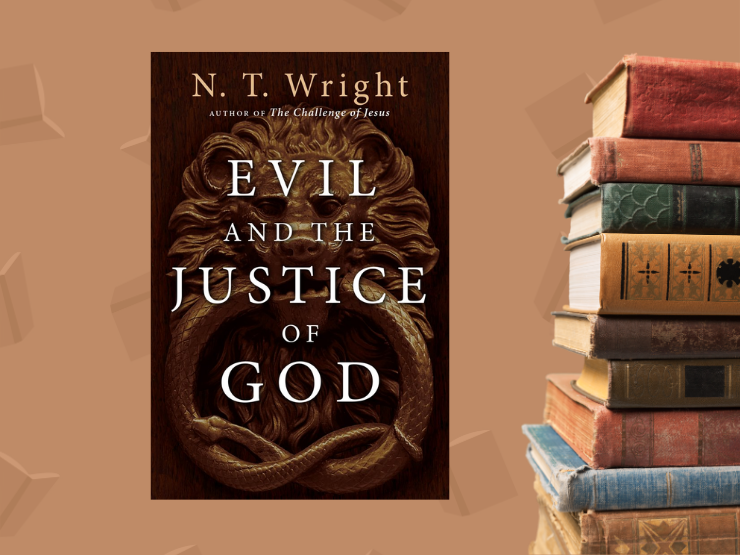
With every earthquake and war, understanding the nature of evil and our response to it becomes more urgent. Evil is no longer the concern just of ministers and theologians but also of politicians and the media.

We hear of child abuse, ethnic cleansing, AIDS, torture and terrorism, and rightfully, we are shocked. But, N. T. Wright says, we should not be surprised. For too long, we have naively believed in the modern idea of human progress. In contrast, postmodern thinkers have rightly argued that evil is real, powerful, and important, but they give no real clue as to what we should do about it.

In fact, evil is more serious than either our culture or our theology has supposed.

How then might Jesus' death be the culmination of the Old Testament solution to evil, but on a wider and deeper scale than most imagine? Can we possibly envision a world in which we are delivered from evil? How might we work toward such a future through prayer and justice in the present?

These are the powerful and pressing themes that N. T. Wright addresses in this book that is at once timely and timeless.

Please use this link to view/purchase your copy of Evil and the Justice of God. Thank you for your support!

Evil and the Justice of God
Check out Evil and the Justice of God - <ul><li>Merit Award, 2007 Christianity Today Theology/Ethics Book</li></ul><p>With every earthquake and war, understanding the nature of evil and our response to it becomes more urgent. Evil is no longer the concern just of ministers and theologians but also of politicians and the media.We hear of child abuse, ethnic cleansing, AIDS, torture and terrorism, and rightfully we are shocked. But, N. T. Wright says, we should not be surprised. For too long we have naively believed in the modern idea of human progress. In contrast, postmodern thinkers have rightly argued that evil is real, powerful and important, but they give no real clue as to what we should do about it.In fact, evil is more serious than either our culture or our theology has supposed. How then might Jesus’ death be the culmination of the Old Testament solution to evil but on a wider and deeper scale than most imagine? Can we possibly envision a world in which we are delivered from evil? How might we work toward such a future through prayer and justice in the present?These are the powerful and pressing themes that N. T. Wright addresses in this book that is at once timely and timeless.</p> by Fellow and Chaplain N T Wright on Bookshop.org US!
Subscribe

No spam, no sharing to third party. Only you and me.

Member discussion